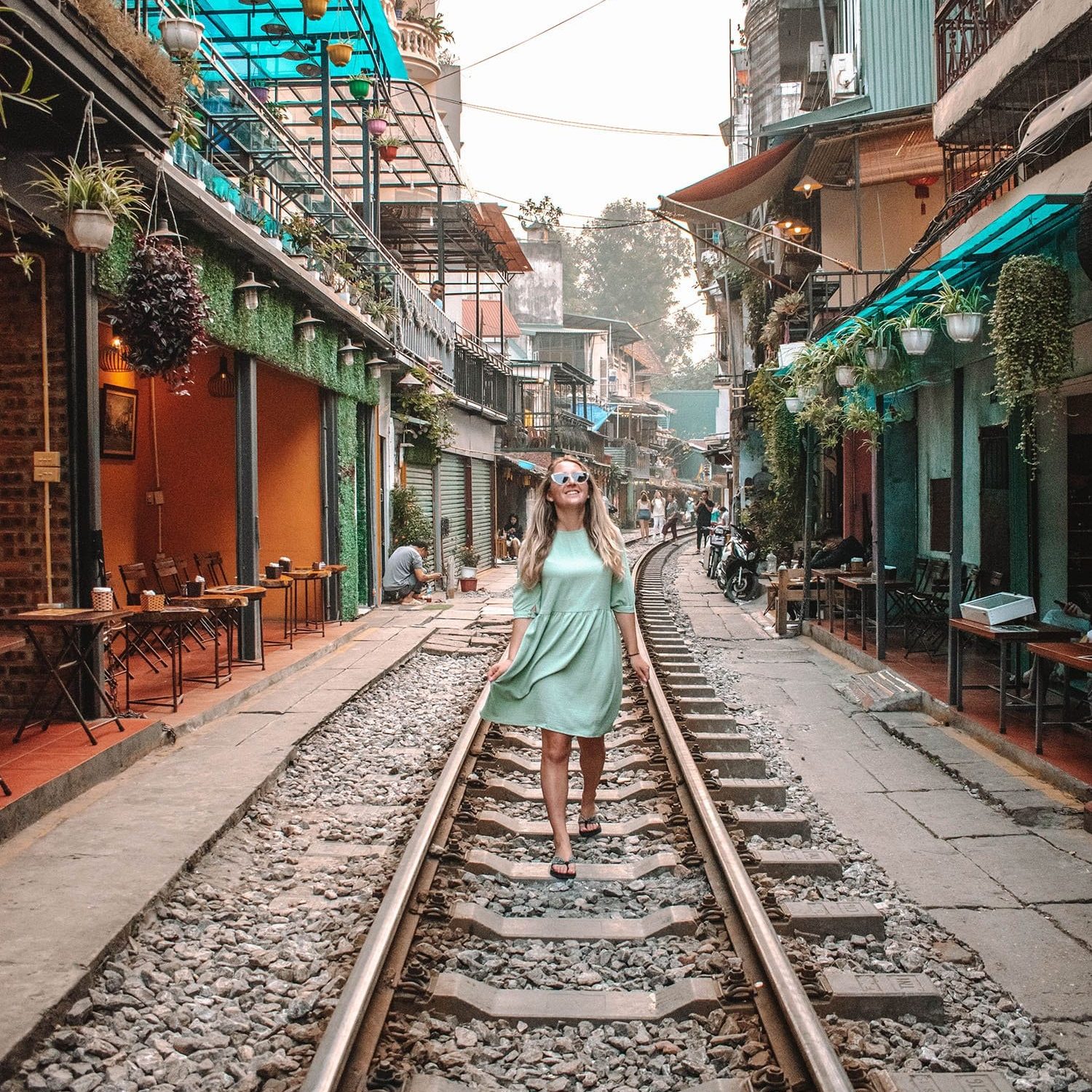
In a city that thrives on contrasts — where ancient temples stand beside buzzing motorbikes — Hanoi Train Street has become one of the most iconic symbols of modern Vietnam. Tucked away in the heart of the Old Quarter, this narrow residential lane is where trains literally brush past doorways, just inches away from locals sipping coffee and tourists snapping photos.
More than just a viral attraction, Hanoi Train Street captures the spirit of the city itself: vibrant, daring, and unapologetically alive.
The Story Behind Hanoi Train Street
The tracks running through this now-famous neighborhood date back to the 1900s, built during the French colonial era to connect Hanoi to northern and southern Vietnam. For decades, it was simply part of daily life — locals built homes beside the tracks, children played nearby, and life carried on around the rumble of the trains.
It wasn’t until recent years that Hanoi Train Street became a social media phenomenon. The combination of adrenaline, photography, and local charm turned this everyday scene into one of Hanoi’s most visited — and most talked-about — attractions.
Where to Find Hanoi Train Street
There are actually two main sections of Hanoi Train Street:
- Le Duan Section – Located between Le Duan and Kham Thien Streets, this is where locals truly live by the tracks, making it more residential.
- Tran Phu to Phung Hung Section – The most popular stretch, located near the Old Quarter. This is where you’ll find the famous railway cafes and most of the tourist activity.
The easiest way to reach it is by walking from Hoan Kiem Lake — about 10–15 minutes through the Old Quarter’s winding lanes.
The Unforgettable Train Experience
Nothing quite prepares you for the moment when a train passes through Hanoi Train Street.
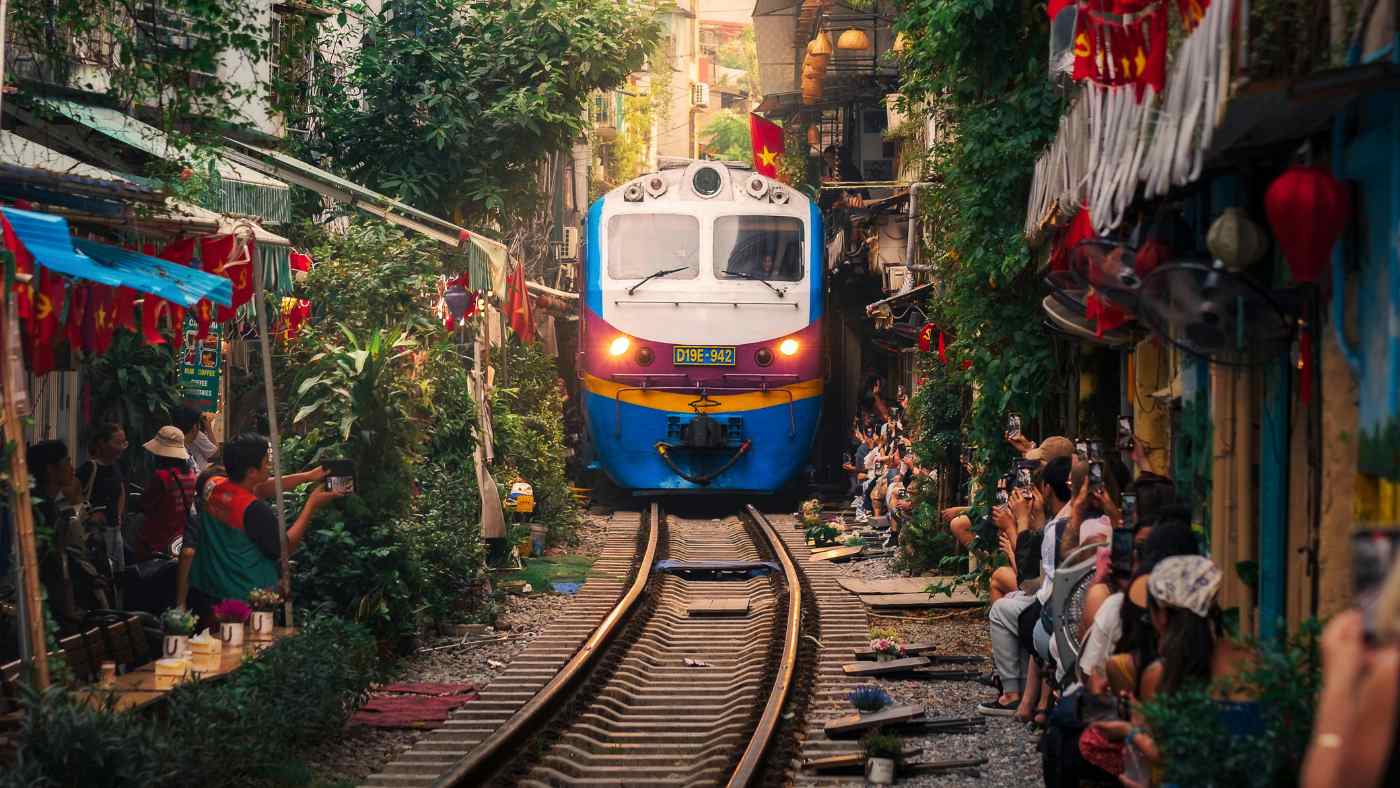
One minute, the narrow lane feels like a quiet café strip — tourists chatting, locals brewing Vietnamese coffee, motorbikes parked neatly beside the rails. Then, a whistle sounds in the distance. Suddenly, shopkeepers pull in their chairs, residents move flower pots aside, and visitors press their backs against the walls.
Within seconds, a train barrels past — its steel body just inches from the buildings. The entire event lasts only a few moments, but the rush of adrenaline, camera flashes, and collective cheers create an unforgettable atmosphere.
It’s both thrilling and oddly beautiful, a perfect snapshot of Hanoi’s coexistence between chaos and calm.
The Railway Cafés: Coffee, Culture, and Camaraderie
One of the best ways to experience Hanoi Train Street is to visit one of its small, family-run cafes. These establishments line the tracks, offering front-row seats to the train’s passage.
Most serve classic Vietnamese drinks like egg coffee, iced milk coffee (ca phe sua da), and refreshing fruit juices. Sitting here, you can feel the heartbeat of the city — the clatter of wheels, the smell of fresh coffee, and the laughter of locals and tourists mingling together.
Popular spots include:
- Train Track Café: One of the original spots with a cozy local feel.
- Coffee 93: Famous for its elevated balcony view.
- Ga Dong Duong Café: A newcomer with excellent egg coffee and train memorabilia décor.
These cafes aren’t just businesses; they’re community hubs that bring together people from around the world to share one unique, fleeting experience.
Best Time to Visit Hanoi Train Street
Trains typically pass through a few times each day, but schedules can vary. As of recent updates, trains usually pass around:
- Morning: Between 7:00 AM – 8:30 AM
- Afternoon: Between 3:00 PM – 5:00 PM
- Evening: Around 7:30 PM – 9:00 PM
Arrive at least 30–45 minutes early to grab a seat and enjoy the atmosphere before the train arrives. The lighting during golden hour (around sunset) is particularly beautiful for photography.
Weekdays are generally quieter, while weekends tend to attract larger crowds.
Local Life Around the Tracks
What makes Hanoi Train Street truly remarkable isn’t just the trains — it’s the people who live there. For the residents, the tracks aren’t a novelty; they’re simply part of daily life.
Children play near the rails, families cook meals on small stoves beside their homes, and elderly locals sit outside greeting visitors. The sense of community is strong, and despite the influx of tourists, locals maintain their routines with grace and humor.
Many have adapted by opening small cafés or souvenir stalls, turning this once-ordinary street into a source of livelihood.
Photography Tips for Hanoi Train Street
If you’re planning to capture the perfect shot, here are a few quick tips:
- Arrive Early: The best angles fill up fast, especially near the central café area.
- Use Natural Light: Early morning and sunset provide soft, warm tones ideal for portraits.
- Safety First: Always step back when the signal sounds. Locals will guide you when it’s time to move.
- Respect Privacy: Remember that this is a residential area — ask before photographing people or homes.
Capturing Hanoi Train Street is about more than the train itself — it’s about telling the story of daily life unfolding just inches from the rails.
Safety and Accessibility
In recent years, due to overcrowding, some sections of Hanoi Train Street have been temporarily closed to ensure safety. However, parts of it remain open with regulated access through designated cafes.
To visit safely and responsibly:
- Enter through cafés that are authorized to welcome guests.
- Follow local instructions before and during train times.
- Avoid standing directly on the tracks for photos.
Local authorities have worked with residents to balance tourism and safety — ensuring visitors can still enjoy this iconic spot without disrupting the community.
Why Hanoi Train Street Is Worth Visiting
Hanoi Train Street isn’t just a tourist attraction — it’s a vivid symbol of how Hanoians adapt, thrive, and create harmony in even the most unconventional spaces.
It reflects the city’s charm: its ability to turn the ordinary into something extraordinary. Watching a train thunder past inches from where you sit, you can’t help but admire the mix of tradition, resilience, and thrill that defines Hanoi.
Whether you’re a photographer, a coffee lover, or simply an urban explorer, this street captures the essence of modern Vietnam — dynamic, creative, and alive.

Final Thoughts
In a world of curated travel experiences, Hanoi Train Street stands out as something raw and real. It’s a place where you can feel the pulse of the city, hear the clatter of steel, and connect with the locals who live side by side with history.
It’s not just about watching a train — it’s about witnessing life unfold in the most unexpected of places.
So next time you’re in Hanoi, step off the main tourist trail, find a little café by the tracks, and wait. When the whistle sounds, you’ll understand why Hanoi Train Street remains one of Vietnam’s most unforgettable experiences.