

Sapa, nestled in Vietnam’s northern mountains, is not only famous for its terraced rice fields and misty valleys but also for its rich cultural diversity. This destination is home to many ethnic communities, each preserving their own languages, traditions, and crafts. For travelers seeking more than just scenic beauty, immersing yourself with the ethnic tribes of Sapa offers a transformative journey into Vietnam’s cultural soul.
In this guide, we’ll explore the fascinating lives of the ethnic tribes of Sapa, from their history and traditions to the unique experiences awaiting curious travelers.
The Diversity of Ethnic Tribes of Sapa
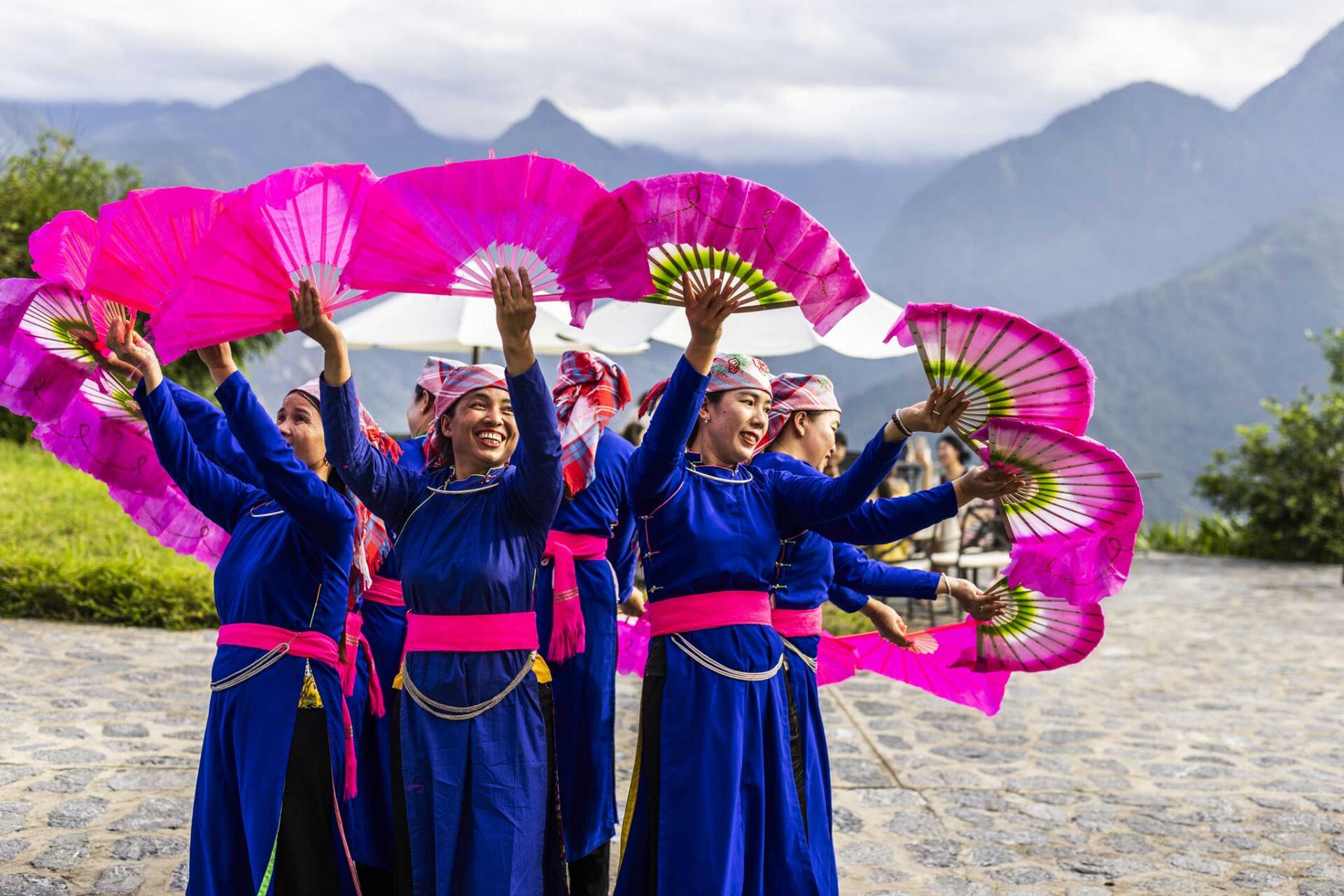
Sapa is home to several communities, each contributing to the cultural tapestry of the region. The largest ethnic tribes of Sapa include the Hmong, Dao, Tay, Giay, and Xa Pho. These groups have lived in the mountains for centuries, developing unique customs, agricultural practices, and vibrant clothing styles.
- Hmong Tribe: Known for their indigo-dyed fabrics, intricate embroidery, and deep knowledge of farming on steep terraces.
- Dao Tribe: Famous for their red headscarves, herbal medicine traditions, and spiritual rituals.
- Tay and Giay Tribes: Often settled in valleys, practicing wet-rice cultivation and building stilt houses.
- Xa Pho Tribe: One of the smallest tribes, preserving traditions less influenced by modern tourism.
Exploring the ethnic tribes of Sapa provides not just sightseeing opportunities but also meaningful interactions with communities that still hold tightly to their ancestral heritage.
Homestay Experiences with Ethnic Tribes of Sapa
One of the most rewarding ways to experience the ethnic tribes of Sapa is through homestays. Instead of staying in hotels, travelers live with local families in traditional houses.
Homestays allow visitors to:
- Share home-cooked meals featuring mountain specialties.
- Learn traditional crafts such as embroidery or indigo dyeing.
- Take part in farming activities like planting rice or harvesting corn.
Living alongside the tribes offers an authentic perspective on daily routines and helps sustain local communities through responsible tourism.
Markets and Handicrafts of the Ethnic Tribes of Sapa
Weekly markets are cultural highlights where the ethnic tribes of Sapa gather to trade, socialize, and celebrate. Some of the most famous markets include Bac Ha Market and Can Cau Market.
Here, you’ll witness women in dazzlingly colorful garments, selling everything from textiles and silver jewelry to herbal medicines and livestock. Shopping at these markets is not just about souvenirs; it’s about supporting the craftsmanship of the tribes while appreciating their artistry.
Festivals and Traditions of the Ethnic Tribes of Sapa
The ethic people in Sapa celebrate numerous festivals tied to agriculture, spirituality, and seasonal changes. These events often include traditional music, dance, and ritual ceremonies.
For instance, the Hmong New Year marks the harvest season with games, feasts, and performances. Dao communities host ceremonies that honor their ancestors, often involving chanting and symbolic offerings. Participating in these events deepens your understanding of the cultural richness among the people.
Trekking and Cultural Exchange with Ethnic Tribes of Sapa
Sapa is also Vietnam’s trekking capital, with trails that wind through rice terraces, bamboo forests, and mountain passes. Guided treks often include visits to villages, allowing travelers to combine natural exploration with cultural immersion.
As you trek, you’ll pass through Hmong hamlets perched on hillsides or Tay stilt houses in the valleys. These encounters highlight the resilience and harmony of the tribes with their environment.
Why Cultural Immersion Matters with the Ethnic Tribes of Sapa
Engaging with the tribes goes beyond tourism—it’s about building cultural bridges. Travelers gain insights into sustainable living, traditional wisdom, and community resilience, while locals benefit from economic opportunities that help preserve their heritage.
When done respectfully, cultural immersion with the ethnic tribes of Sapa becomes a mutually enriching experience that fosters understanding and appreciation across cultures.
Tips for Respectful Travel to the Ethnic Tribes of Sapa
- Learn basic greetings in local languages—it shows respect to the ethnic tribes of Sapa.
- Ask before photographing, as some communities prefer privacy.
- Buy directly from artisans to support the economic sustainability of the ethnic tribes of Sapa.
- Respect traditions by dressing modestly and avoiding disruptive behavior in villages.
By traveling mindfully, you ensure your presence supports the preservation of the ethnic tribes of Sapa and their unique way of life.

Final Thoughts on Meeting the Ethnic Tribes of Sapa
A trip to Sapa isn’t complete without connecting with its people. The ethnic tribes of Sapa are the true heartbeat of this mountain region, offering rich traditions, colorful attire, and centuries-old practices. Whether through homestays, markets, festivals, or treks, cultural immersion reveals the authentic soul of northern Vietnam.
By embracing opportunities to interact with the ethnic tribes of Sapa, travelers not only discover the region’s heritage but also help ensure these cultures continue to thrive for generations to come.
You might also be interested in
7 Must-Try Budget Local Food Spots In Sapa For Authentic Eats
Exploring Sapa, Vietnam: What to Expect as a First-Time Visitor