Table of Contents
ToggleUnforgettable Trekking Experience in Sapa: A Journey Through Vietnam’s Mountain Heartland
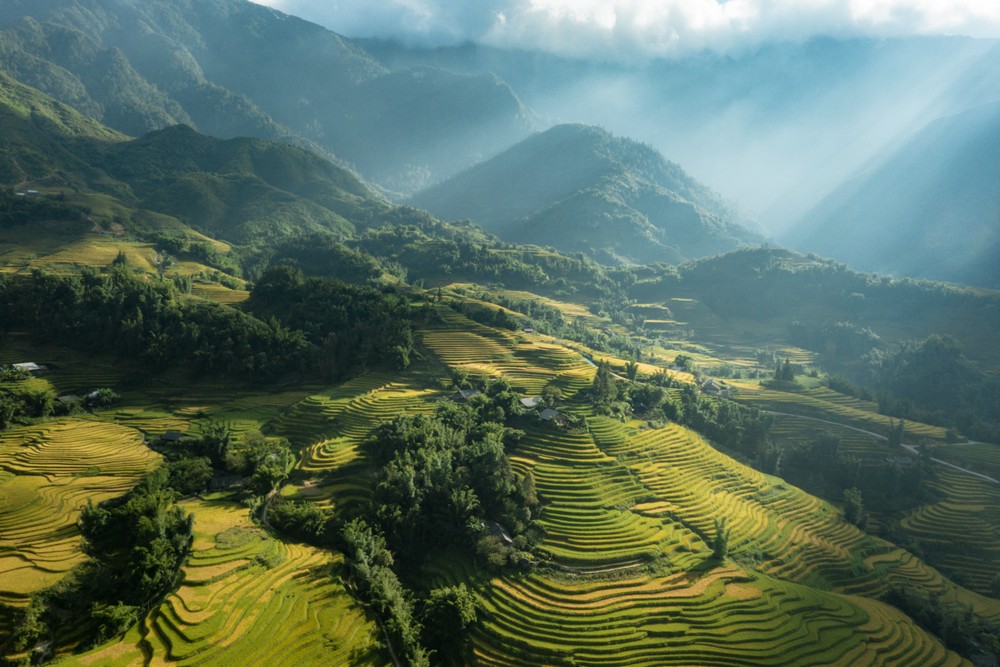
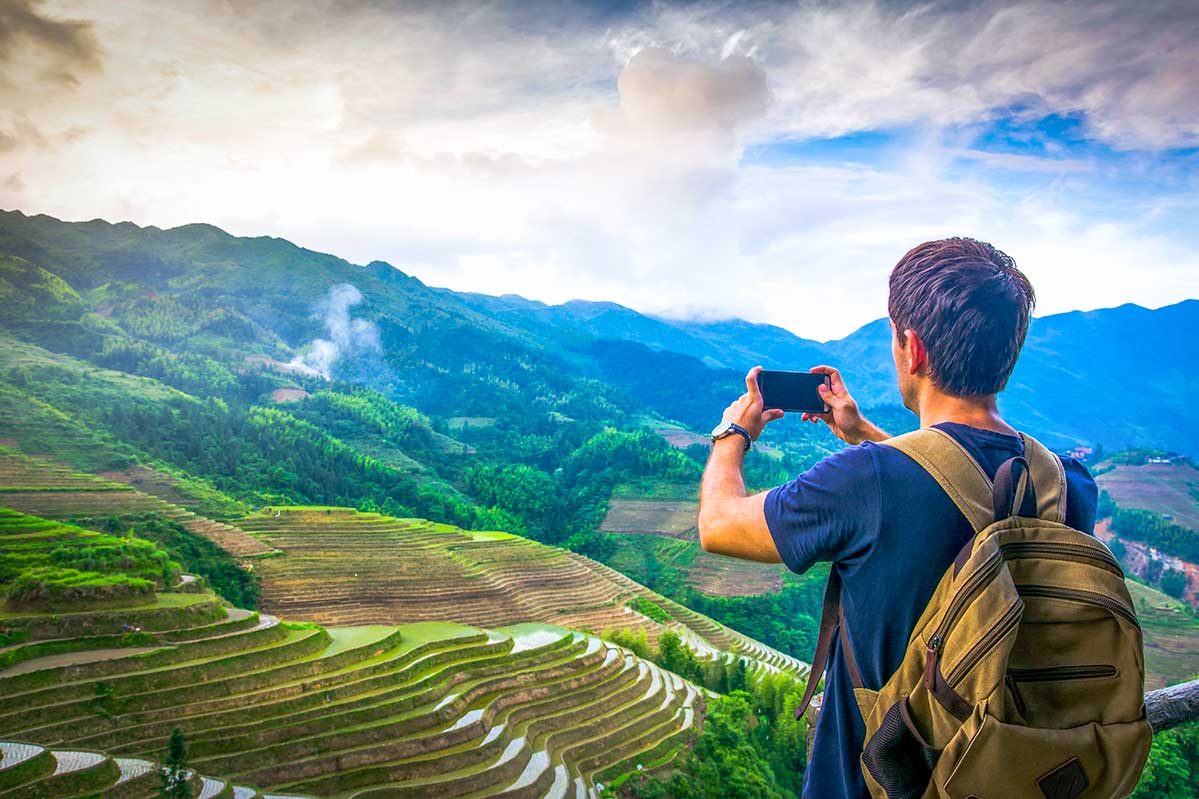
For travelers seeking more than just sightseeing, the trekking experience in Sapa offers one of Vietnam’s most immersive and rewarding adventures. Nestled in the misty mountains of Lào Cai Province, Sapa is home to rugged landscapes, vibrant ethnic cultures, and vast rice terraces that seem to cascade endlessly into the clouds.
From peaceful valleys to challenging mountain trails, trekking in Sapa is not just a physical activity—it’s a cultural exploration and a personal journey. This guide provides everything you need to know about the trekking experience in Sapa, from planning and routes to cultural highlights and must-know travel tips.
1. Why Sapa is Vietnam’s Trekking Capital
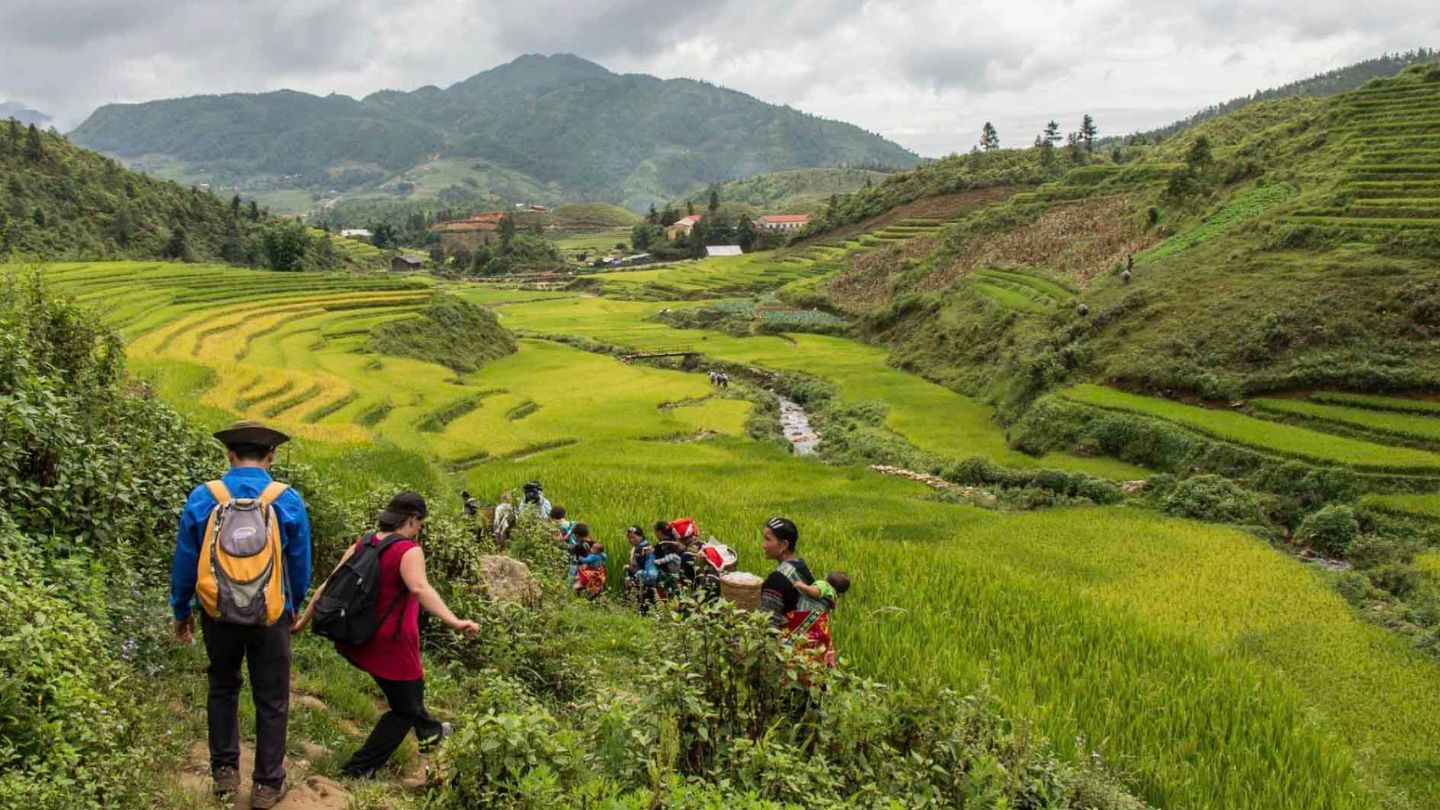
Sapa sits at an altitude of around 1,500 meters, surrounded by the Hoàng Liên Son mountain range, which includes Fansipan, the highest peak in Indochina. What makes Sapa unique is not just its geography, but its deep-rooted ethnic diversity. Hmong, Red Dao, Tay, and Giay communities live in villages scattered across the valleys and hills, each with their own languages, customs, and colorful clothing.
Trekking in Sapa means walking through living culture. Every step takes you deeper into the daily lives of these communities, where rice planting, embroidery, and home-cooked meals are part of everyday beauty.
2. Popular Trekking Routes in Sapa
The trekking experience in Sapa can range from half-day strolls to multi-day adventures. Here are some of the most iconic routes:
Lao Chai – Ta Van Village (Easy, Cultural)
Distance: 9–12 km (half-day or full-day)
Highlights: Rice terraces, traditional stilt houses, Giay and Black Hmong villages
Cat Cat – Y Linh Ho – Lao Chai (Moderate)
Distance: 12–15 km
Highlights: Waterfalls, bamboo forests, ethnic markets
Ban Ho – Nam Tong – Thanh Phu (Challenging, Remote)
Distance: 18–25 km
Highlights: Off-the-beaten-path trails, Red Dao culture, fewer tourists
Fansipan Summit Trek (Advanced)
Distance: 20–30 km over 2–3 days
Highlights: Mountain camping, summit views at 3,143m
Each route offers a distinct flavor of Sapa’s terrain and culture, making the trekking experience in Sapa adaptable to every fitness level and interest.
3. What to Expect on a Typical Trek
No matter which route you take, expect breathtaking landscapes that change dramatically with the season. In spring, wildflowers bloom beside the trails. In summer, rice fields glow bright green. Autumn turns the terraces golden, and winter brings a cool mist over the mountains.
You’ll walk through muddy paths, cross wooden bridges, and rest in local homestays that offer warm meals and authentic hospitality. Treks often include:
Stops at waterfalls and scenic viewpoints
Interaction with locals, especially women and children in traditional dress
Meals prepared from locally sourced ingredients
Opportunities to learn weaving, dyeing, or farming techniques
Trekking in Sapa is not a race—it’s a slow, thoughtful journey that lets you breathe in mountain air and absorb a world far removed from the urban rush.
4. The Homestay Experience: Culture Beyond the Trail
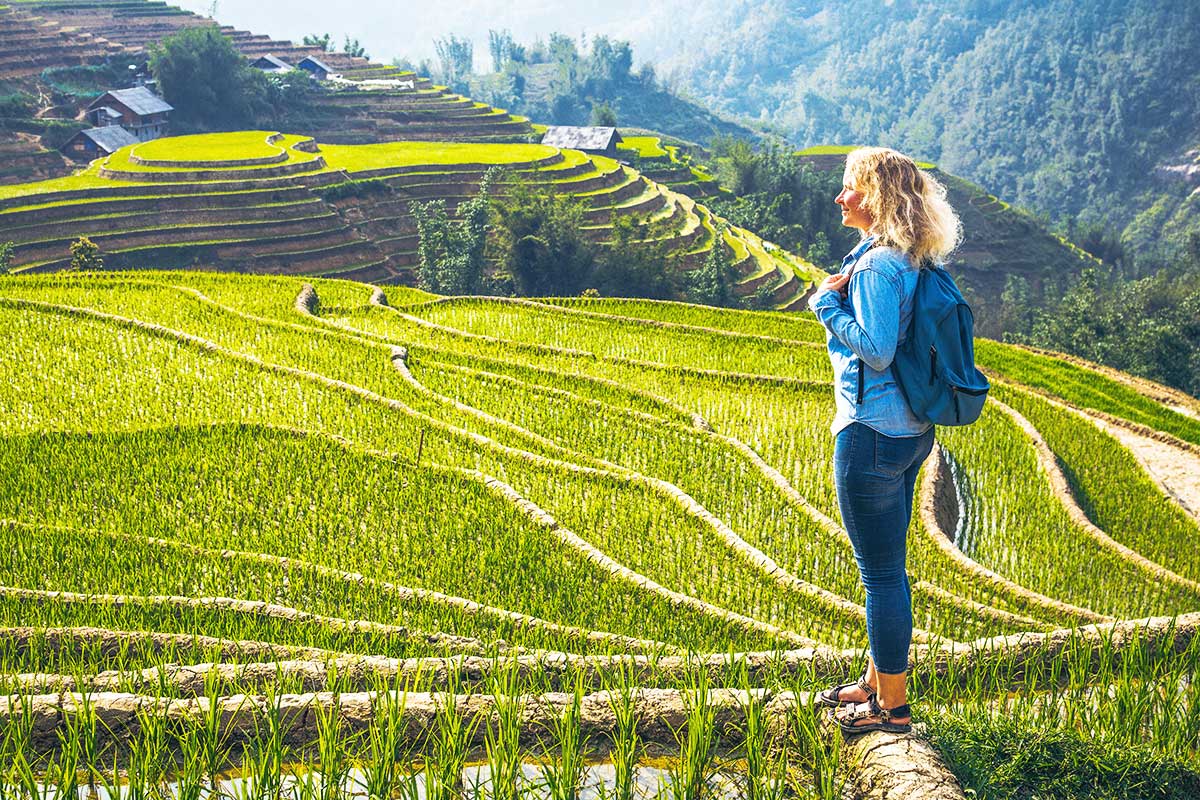
One of the defining features of the trekking experience in Sapa is staying with local families. Homestays are simple but clean, with basic amenities like a mattress, mosquito net, and warm meals. Some homestays offer Wi-Fi, but the real value lies in unplugging.
Evenings are often spent around a fire, sipping local corn wine and exchanging stories with hosts. This cultural immersion adds emotional depth to your trekking journey—something no hotel could offer.
5. Best Time to Trek in Sapa
Timing your trip right can dramatically enhance your experience:
March to May: Dry weather, blooming flowers, ideal for photography
June to August: Lush greenery, peak rice-growing season
September to November: Golden harvest season, cool temperatures
December to February: Cold and foggy, but fewer tourists and mystical scenery
Avoid heavy rains in late summer, as trails can get slippery and landslides occasionally occur.
6. How to Prepare for Trekking in Sapa
A successful trekking experience in Sapa requires some basic preparation:
What to Pack
Comfortable hiking shoes with good grip
Lightweight waterproof jacket
Reusable water bottle and snacks
Sunscreen and insect repellent
Camera or phone with extra battery
Warm layers (especially in winter months)
Fitness Level
Most treks are moderate in difficulty, but steep climbs and long walks require decent stamina. It’s advisable to do some walking or cardio training before your trip.
7. Should You Hire a Local Guide?
Yes—especially if you’re doing multi-day treks or want cultural insight. Many guides are local women from ethnic communities who speak both Vietnamese and English. Hiring them supports the local economy and enriches your journey with local knowledge, hidden trails, and cultural anecdotes you won’t find in guidebooks.
8. Ethical Trekking Tips
Respect local customs: Ask before taking photos and follow dress codes.
Buy local: Support women selling handicrafts along the trail.
Leave no trace: Carry out your trash and avoid plastic waste.
Avoid overcrowded routes: Consider lesser-known paths to reduce tourist impact.
By trekking responsibly, you contribute to the preservation of both the environment and indigenous ways of life.
Conclusion: Is the Trekking Experience in Sapa Worth It?
Without a doubt. The trekking experience in Sapa isn’t just a physical journey—it’s a profound connection to nature, culture, and yourself. Whether you’re climbing to Fansipan’s summit or simply walking among golden terraces and laughing children, Sapa has a way of staying with you long after your boots are off.
So lace up, step out, and let Sapa show you a side of Vietnam that few get to truly know.